
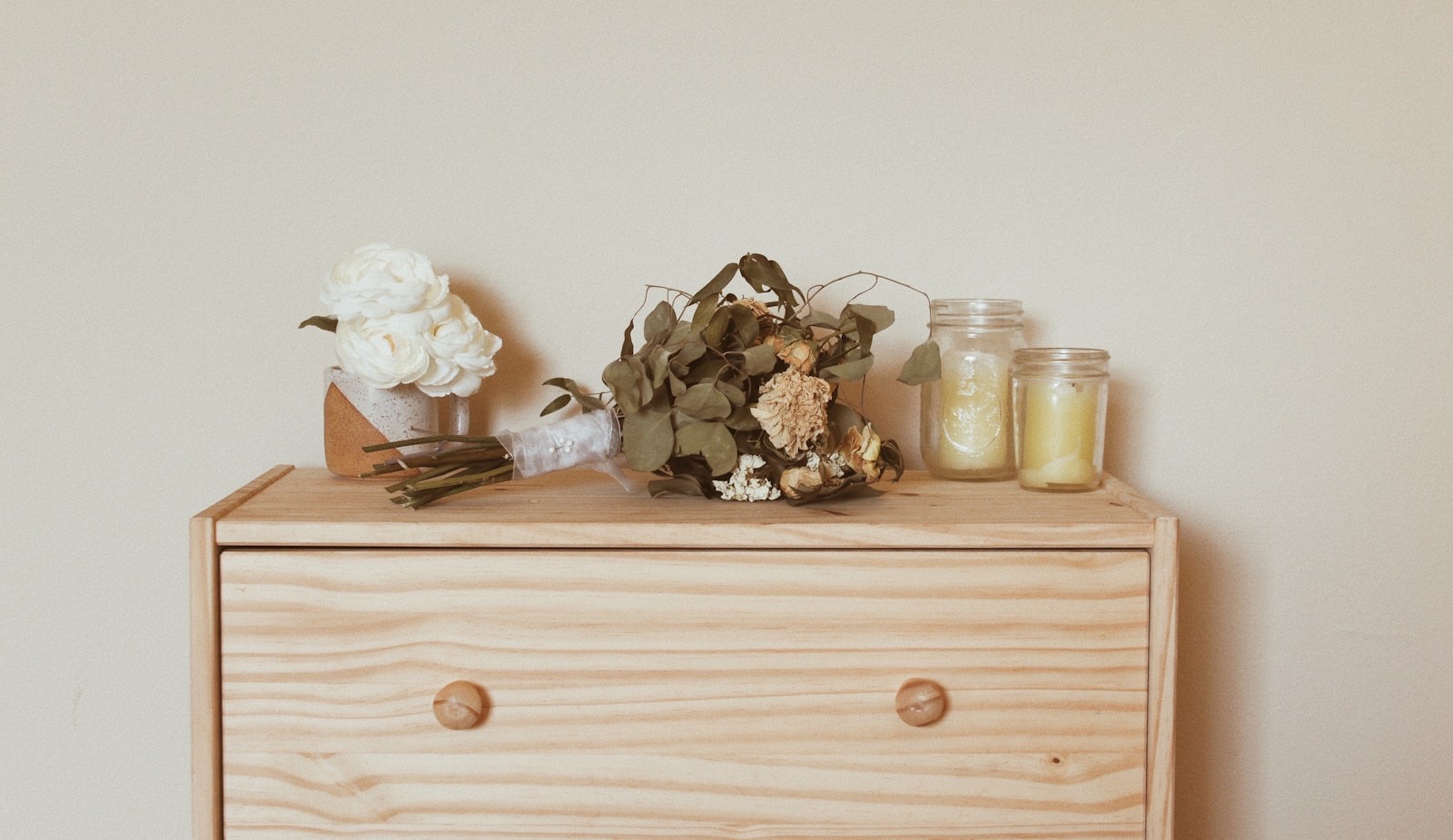
A dresser is the piece of bedroom furniture people spend least time choosing and longest living with. Most outlast the bed they were bought alongside.
Get the proportions wrong and it either swallows the room or fails to hold what you own. Get the construction wrong and the drawers stop sliding within a couple of years.
Here is how to size one properly, how many drawers you actually need, and what separates a dresser that lasts from one that does not.
The Main Dresser Types
| Type | Typical width | Typical height | Drawers | Best for |
|---|---|---|---|---|
| Standard (horizontal) | 35–58″ | 30–35″ | 6–9 | The default bedroom dresser |
| Tall chest / highboy | 30–40″ | 40–50″ | 5–7 | Narrow rooms where floor space is scarce |
| Double dresser | 58–72″ | 30–36″ | 8–12 | Shared bedrooms; large primary rooms |
| Vertical / lingerie chest | 18–24″ | 40–50″ | 5–7 | Tight corners and alcoves |
| Bachelor’s chest | 30–36″ | 28–32″ | 3–4 | Guest rooms; doubles as a nightstand |
Depth is remarkably consistent across all of them at 18 to 24 inches. That number matters more than most shoppers realise, because it determines whether you can open a drawer at all.
The 36-Inch Rule
You need roughly 36 inches of clear floor in front of a dresser: enough to pull a drawer fully out and still stand there.
That gives a simple formula. Measure from the wall to the nearest obstacle — usually the bed — and subtract 36 inches. Whatever remains is the deepest dresser the room can take.
| Wall to bed distance | Maximum dresser depth | What fits |
|---|---|---|
| Under 54″ | Under 18″ | Vertical chest only |
| 54–60″ | 18–24″ | Most standard dressers |
| Over 60″ | 24″+ | Anything, including double dressers |
If the sum does not work, go vertical. A tall chest holds comparable volume in roughly half the footprint.
Sizing to Your Room
| Bedroom size | Sensible dresser | Avoid |
|---|---|---|
| 10 × 10 ft or smaller | Vertical chest, 24–40″ wide | Double dressers — they dominate the room |
| 10 × 12 ft | Standard dresser up to 48″ | Anything over 24″ deep |
| 12 × 14 ft | Standard or wide dresser, 48–58″ | Undersized pieces that look lost |
| 14 × 16 ft and up | Double dresser, or dresser plus tall chest | A single narrow chest |
Scale matters visually as well as practically. A 36-inch dresser on a long empty wall in a large room reads as an afterthought, however well it functions.
How Many Drawers Do You Need?
| Drawers | Roughly holds | Suits |
|---|---|---|
| 3–4 | One person’s basics | Guest rooms; supplementing a wardrobe |
| 5–6 | One person’s full wardrobe | The most common single-occupant choice |
| 7–9 | One person generously, or two at a squeeze | Primary bedrooms with limited closet space |
| 10–12 | Two people comfortably | Shared rooms; double dressers |
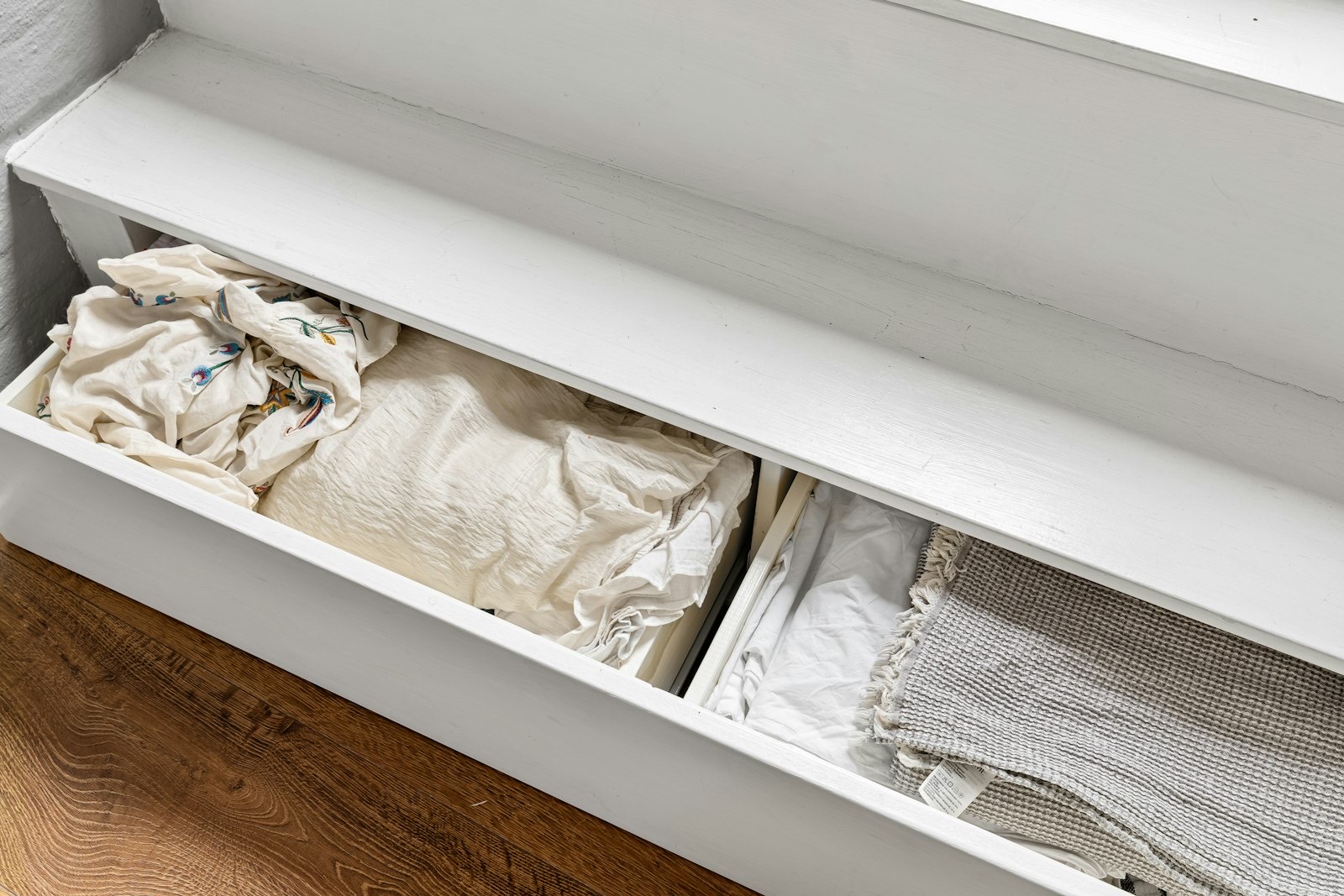
Drawer count alone is misleading. Two shallow drawers hold less than one deep one, and deep bottom drawers are where bulky items actually live. Look at the configuration, not just the number.
Judging Construction Quality
This is where price differences actually come from, and almost all of it is visible in thirty seconds on a showroom floor.
- Pull a drawer right out. Dovetail joints at the corners signal quality; staples and glue signal the opposite
- Check the glides. Metal ball-bearing runners outlast plastic or bare wood by years
- Look for a dust panel between drawers — a thin sheet separating each level indicates a properly built case
- Feel the drawer bottom. Solid or plywood beats thin fibreboard that bows under weight
- Push the top corner gently. Racking or wobble means a weak case frame
- Confirm an anti-tip kit is included — and always fit it
The anti-tip bracket is not optional. Dressers tip over onto children with genuine regularity, and the wall strap that prevents it costs almost nothing.
Materials and What They Mean
| Material | Durability | Weight | Notes |
|---|---|---|---|
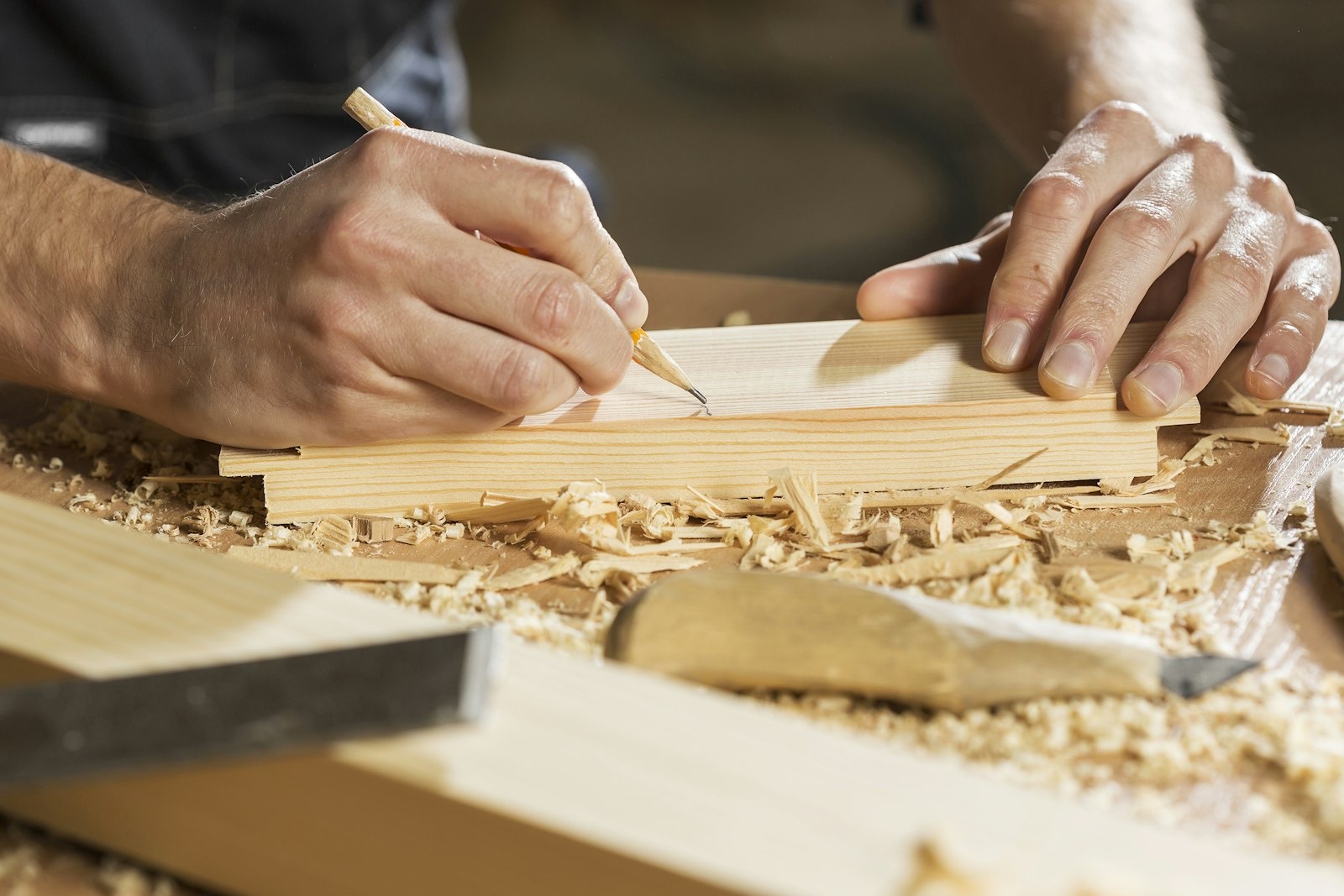
| Solid hardwood | Decades | Heaviest | Can be refinished; holds resale value |
| Hardwood veneer over ply | Very good | Moderate | Best balance of cost and longevity |
| MDF with laminate | 5–10 years | Moderate | Stable and smooth; edges chip once damaged |
| Particleboard | Shortest | Lightest | Struggles with heavy drawer loads over time |
Engineered woods are not automatically inferior — a good veneer over plywood is more dimensionally stable than solid wood in a humid climate, which matters on the Virginia coast.
Where a dresser should sit in the room
Placement affects how well a dresser works day to day, and there are only a few good options in most bedrooms.
- Opposite the bed — the classic position; leaves the top usable as a TV surface
- On the wall beside the closet — keeps all dressing in one zone of the room
- Under a window — works well for low dressers, but avoid direct sun on wood finishes
- Inside a large closet — frees the bedroom entirely, if the depth allows
Avoid placing one behind a door swing. It looks fine on a floor plan and becomes irritating within a week.
If indoor air quality concerns you, note that composite panels and finishes can off-gas. The EPA’s guidance on volatile organic compounds indoors explains what to expect and why ventilating a new piece for a few days helps.
Frequently Asked Questions
What is the standard size of a dresser?
Roughly 35 to 58 inches wide, 30 to 35 inches tall, and 18 to 24 inches deep, with six to nine drawers. Tall chests trade width for height while holding a similar volume.
How much space do I need in front of a dresser?
About 36 inches, so you can pull a drawer fully open and still stand comfortably. Measure from the wall to the nearest furniture and subtract 36 inches to find your maximum workable depth.
What height should a dresser be?
Around 36 inches is the most comfortable for reaching into drawers without stooping. Taller chests are fine for storage but become awkward for the top drawer if they exceed about 50 inches.
Are dovetail drawers worth paying more for?
Generally yes, particularly on drawers you open daily. Dovetailed corners resist the racking forces that eventually pull stapled joints apart, and they are the clearest single indicator of overall build quality.
Do I need to anchor a dresser to the wall?
Yes, especially with children in the house. Open drawers shift the centre of gravity forward dramatically, and a child climbing them can bring the whole piece down. Fit the supplied anti-tip strap.
Open the Drawers Yourself
Every quality signal above is something you can check by hand in under a minute. Photographs show finish; they never show glide quality or case rigidity.
Our bedroom furniture range in Newport News covers standard dressers, tall chests and double dressers, and you are welcome to pull out every drawer before deciding.
Sizing a whole room at once? Check the mattress size chart with minimum room dimensions first, since the bed footprint determines what is left for storage. If a dressing surface matters too, our guide to choosing a makeup vanity for a small bedroom covers that side.
For children’s rooms, our kids furniture and storage range includes lower-profile chests, and anti-tip hardware matters most there. Furnishing from scratch? See furnishing a first apartment on a budget.
Browse clearance and specials, spread the cost with no-credit furniture financing, and use our free home delivery service — a solid hardwood double dresser is genuinely heavy. Questions on sizing? Ask our Newport News team.