

If a salesperson has ever told you that you need “a bunkie board,” you would be forgiven for assuming it was an upsell. It usually isn’t.
A bunkie board is one of the cheapest pieces of bedroom hardware you can buy. On the wrong bed frame, it is the difference between a mattress that lasts a decade and one that develops a valley down the middle in two years.
Here is what a bunkie board does, how to tell whether your bed needs one, and which size and thickness to buy.
What Is a Bunkie Board?
A bunkie board is a thin, rigid panel that sits between your mattress and whatever is holding it up. Most are 1 to 3 inches thick.
They are built from plywood, particleboard, or tightly spaced wooden slats, and usually wrapped in fabric so the edges look finished. The job is simple: turn an uneven or gappy surface into one flat, continuous plane of support.
The name comes from bunk beds. A bunk frame has no room for a bulky box spring, so manufacturers used a thin board instead — an idea that dates back to the early twentieth century. The name stuck, even though bunkie boards now show up under platform beds, daybeds, trundles, and adjustable bases.

Bunkie Board vs. Box Spring vs. Foundation vs. Slats
These four terms get used interchangeably on the sales floor. They are not the same thing, and swapping one for another is where most mattress support problems start.
| Support type | Typical height | Typical weight | Best suited to | Flexes or bounces? |
|---|---|---|---|---|
| Bunkie board | 1–3 in | ~30 lb | Foam, latex and hybrid mattresses; platform, bunk and daybed frames | No — rigid by design |
| Box spring | ~9 in | ~100 lb | Traditional innerspring mattresses on a metal frame | Yes — coils absorb shock |
| Foundation | 5–9 in | 50–70 lb | Innerspring and hybrid; when you want the bed to sit higher | Minimal |
| Bare slats | Part of the frame | — | Mattresses specifically rated for a slatted base | Slight flex between slats |
The critical distinction is the last column. A box spring is designed to give a little and absorb shock. A bunkie board is designed to do the opposite — stay rigid and never flex.
Do You Need a Bunkie Board? Use the Slat Gap Test
Take a tape measure to the gap between the slats on your bed frame. That single measurement answers the question most of the time.
| Your current setup | Do you need one? | Reason |
|---|---|---|
| Platform bed, slats more than 3 in apart | Yes | Foam sags into the gaps; many warranties require solid support |
| Memory foam or latex mattress on any slatted base | Usually | Foam has no internal structure and needs continuous backing |
| Bunk bed, daybed or trundle | Yes | No vertical clearance for a box spring or foundation |
| Slats less than 2.75 in apart, mattress sleeping fine | No | Existing support is already adequate |
| Solid platform deck with no gaps | No | Redundant — you already have a flat plane |
| Innerspring mattress on a metal bed frame | No | Use a box spring instead; the mattress is built to work with one |
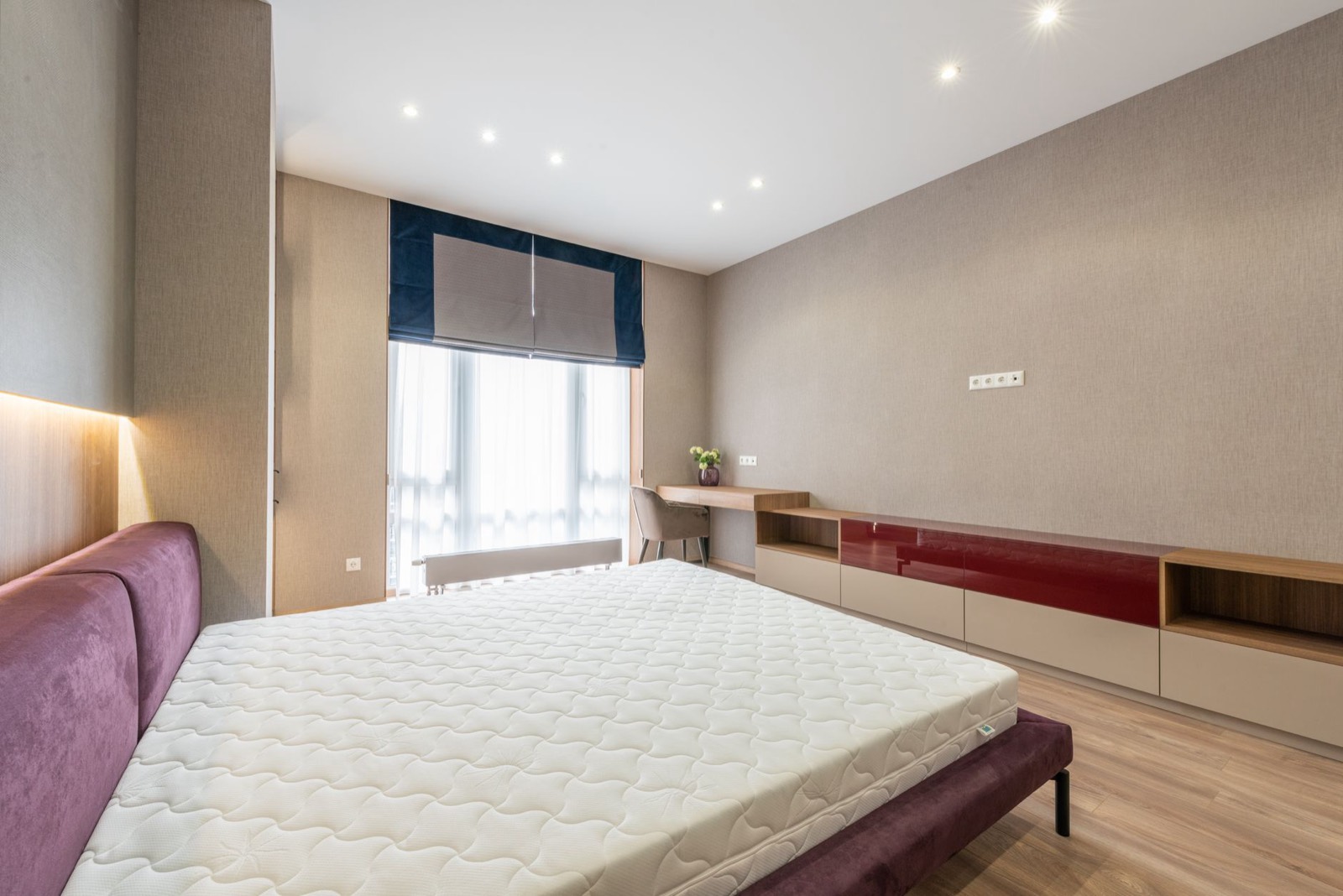
Signs your mattress is asking for one
- A dip or valley forming down the centre of the bed
- You can feel individual slats through the mattress
- The mattress creaks, shifts or slides when you move
- Sagging appeared within the first couple of years
- Your mattress paperwork specifies a “solid” or “continuous” base
That last point matters. Inadequate support is a common reason a warranty claim gets denied, and Consumer Reports’ mattress guidance stresses that the base underneath affects how a mattress performs over time. A board costing under a hundred dollars protects a mattress costing many times that.
Bunkie Board Sizes and Dimensions
Buy to match your mattress size, not your frame. Standard dimensions are consistent across manufacturers.
| Size | Dimensions (W × L) | Commonly used for |
|---|---|---|
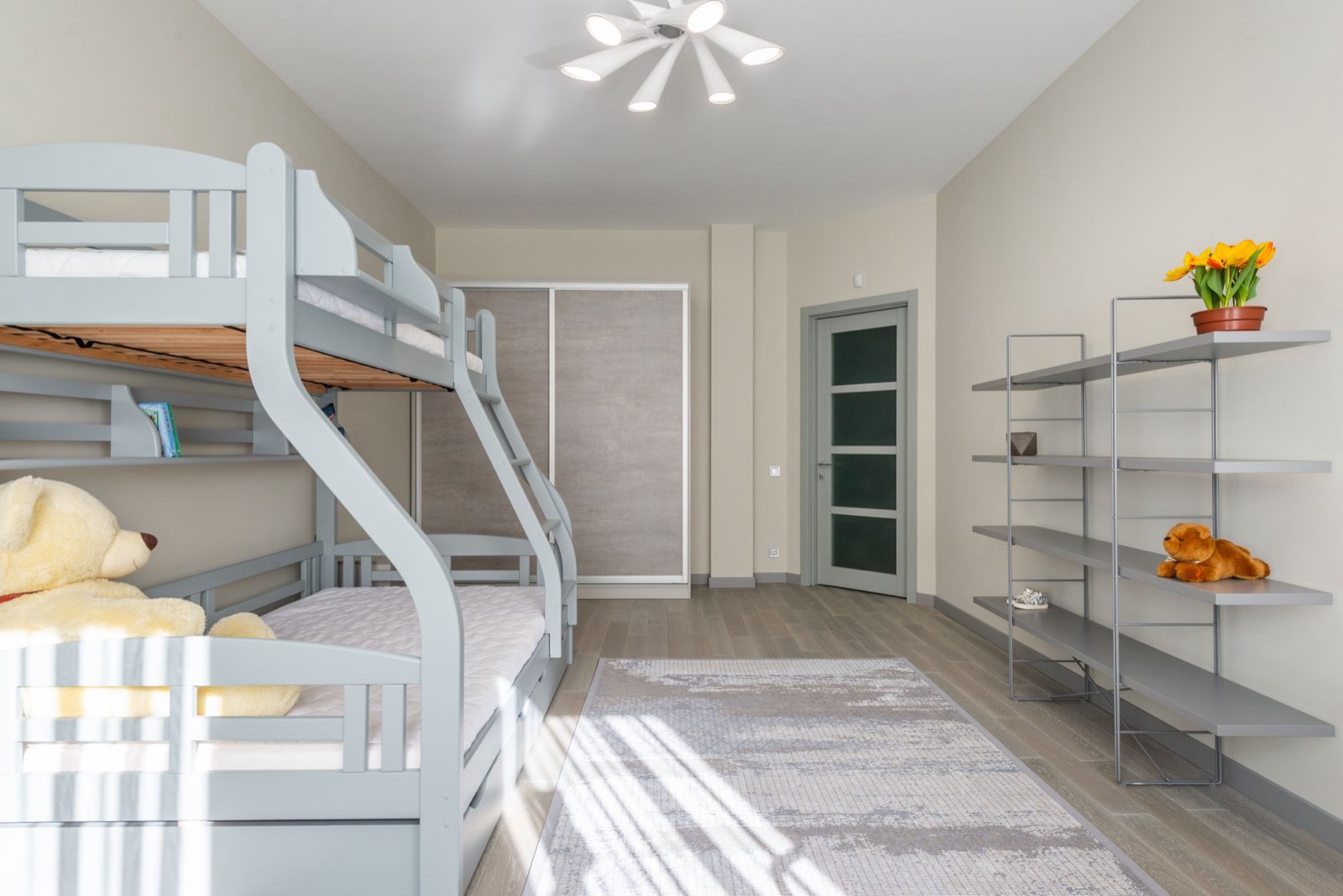
| Twin | 38″ × 75″ | Bunk beds, kids’ rooms, daybeds |
| Twin XL | 38″ × 80″ | Taller teens, dorm-style frames |
| Full | 54″ × 75″ | Guest rooms, smaller bedrooms |
| Full XL | 54″ × 80″ | Less common; check before ordering |
| Queen | 60″ × 80″ | The most common master bedroom size |
| King | 76″ × 80″ | Often sold as two twin-XL boards |
| California King | 72″ × 84″ | Narrower and longer than a standard king |
King and California King boards are frequently supplied as a matched pair of narrower panels. That is intentional — it makes them far easier to carry upstairs and around tight corners.
How Thick Should a Bunkie Board Be?
| Thickness | Best for | Trade-off |
|---|---|---|
| 1 inch | Twin and full sizes, bunk beds, daybeds, trundles | Lightest and cheapest, but less rigid under two adults |
| 1.5–2 inches | Queen and king, any mattress type — the safe default | Strong enough for two adults plus a heavy hybrid |
| 3 inches | Only when you specifically want extra bed height | Rare; a low-profile foundation is usually the better buy |
If you are unsure, 2 inches is almost always the right answer for a queen or king.
Pros and Cons at a Glance
| Advantages | Drawbacks |
|---|---|
| Far cheaper than a box spring or foundation | Reduces airflow beneath the mattress — you may sleep slightly warmer |
| Keeps the bed low and modern-looking | Adds no height if you actually wanted a taller bed |
| Light enough for one person to carry (~30 lb) | No shock absorption or bounce |
| Available for every mattress size | Will not rescue a bed frame that is already broken or bowed |
| Can meaningfully extend mattress lifespan | Completely redundant on a solid platform deck |
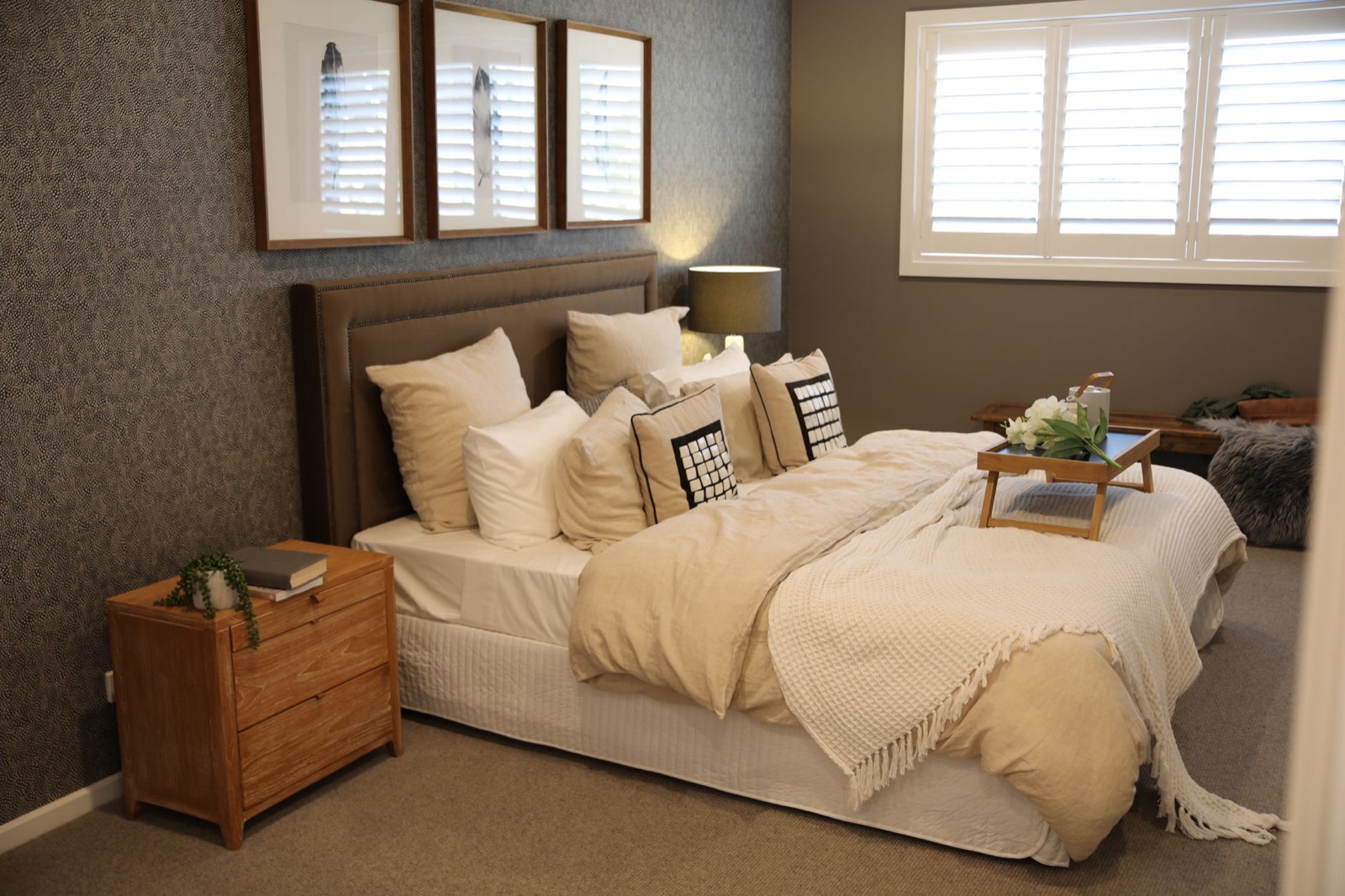
How to Install a Bunkie Board
- Measure the gap between your slats and the interior width and length of the frame.
- Check your mattress warranty for any wording about solid or continuous support.
- Buy the board that matches your mattress size, not the frame’s outside dimensions.
- Remove the mattress completely.
- Lay the board directly onto the slats or frame rails — nothing goes underneath it.
- Centre it so no edge overhangs, then put the mattress back on top.
No tools, no fixings, five minutes of work. If the board rocks or overhangs, you have the wrong size.

Frequently Asked Questions
Does a bunkie board go under or over the mattress?
Under. It sits directly on the slats or frame, and the mattress rests on top of it. Nothing goes between the board and the mattress.
Can I use a bunkie board instead of a box spring?
Yes, provided your frame already sits at the height you want. A bunkie board replaces the support function of a box spring but not the height. Swapping a 9-inch box spring for a 2-inch board drops your bed by roughly seven inches.
Will a bunkie board make my mattress sleep hotter?
Slightly, in some cases. A solid panel restricts airflow that slats would allow. If you sleep hot and run a foam mattress, look for a slatted-style bunkie board rather than a fully solid one.
Can I just use a sheet of plywood instead?
It will work mechanically, but raw plywood has rough edges that abrade the mattress cover, is heavier to manoeuvre, and can void some warranties. A finished bunkie board is inexpensive enough that the shortcut rarely pays off.
Do bunk beds always need one?
Almost always. Bunk frames have no clearance for a foundation, and the thin mattresses used on them need a flat base underneath. This is the original use the product was designed for.
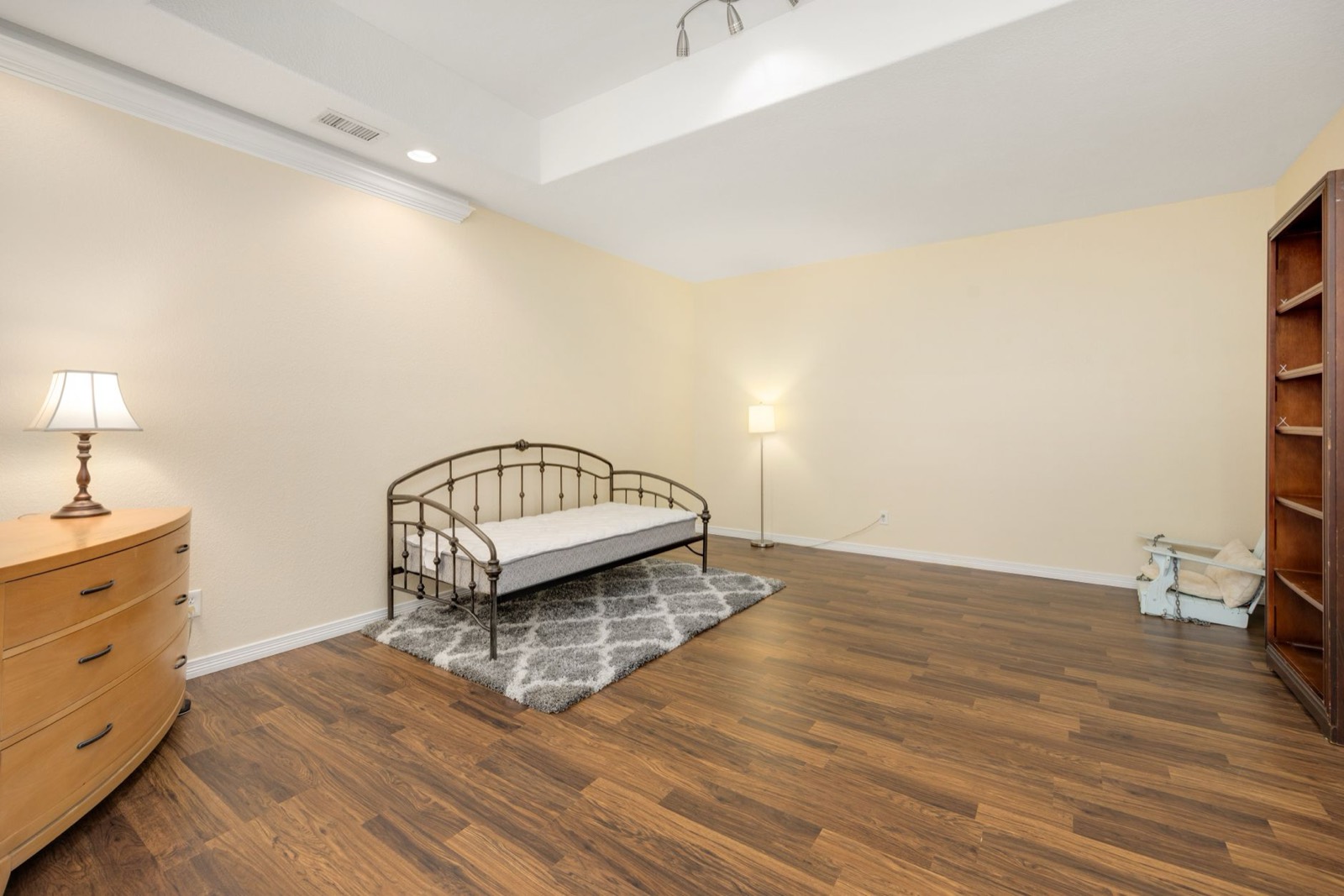
Choosing the Right Support in Person
Support is easier to judge in person. Press on a display board, feel the difference between a rigid panel and a flexing slat base, and you will know which one your mattress needs.
Our showroom carries bunkie boards in every standard size alongside the mattresses and foundations we stock in Newport News. If you are outfitting a child’s room, our kids furniture and bunk bed range pairs directly with twin and full boards, and our bedroom furniture collection covers frames in every size listed above.
Watch the clearance and specials page for discounted mattress sets, ask about furniture financing with no credit needed options, and check the free home delivery service on eligible items if you would rather not fit a queen board into your car.
Not sure what your frame needs? Contact our Newport News showroom with your bed’s make and slat spacing and we will tell you honestly whether you need a board at all.