

Recliners are bought sitting down and lived with fully reclined. The gap between those two experiences is where most buying mistakes happen.
A chair that feels perfect in a showroom can be unusable at home simply because the wall is eight inches too close.
Here are the types available, how much room each one genuinely needs, and how to size one to the person who will sit in it.
The Types, and What They Need
| Type | Wall clearance | Motion | Best for |
|---|---|---|---|
| Standard recliner | 12–18″ | Reclines backward | Rooms with space behind the chair |
| Wall hugger | 4–6″ | Seat slides forward as the back drops | Small rooms and apartments |
| Rocker recliner | 12–18″ plus rocking arc | Rocks upright, reclines when set back | Nurseries; anyone who likes motion |
| Glider recliner | 12–18″ | Smooth front-to-back glide | Nurseries; quieter than a rocker |
| Swivel recliner | 12–18″ plus turning circle | Rotates on a base | Rooms with two focal points |
| Lift chair | 12–18″ plus front tilt space | Powered; tilts forward to assist standing | Limited mobility |
The wall hugger is the single most useful thing to know about in this category. By sliding the seat forward instead of dropping the back, it reclines fully in a fraction of the space.

Measuring for the Reclined Position
Almost every recliner listing gives upright dimensions. The reclined footprint is the one that determines whether it works.
- Note the chair’s upright depth from the specification.
- Add the stated wall clearance behind it.
- Add roughly 18 to 24 inches at the front for the extended footrest.
- Mark the total on the floor with tape before you buy.
- Check nothing sits in that zone — coffee tables, radiators, floor lamps, walkways.
A standard recliner that measures 38 inches deep upright can occupy close to 70 inches fully extended. That is the number to plan around.
The same clearance logic applies to reclining sofas and sectionals — our guide to measuring your room before buying a sofa covers walkway widths and the diagonal-depth check for getting it through the door.
Manual, Power or Lift?
| Manual | Power | Power lift | |
|---|---|---|---|
| Operation | Lever or body weight | Button-controlled motor | Motor reclines and tilts forward |
| Positions | Usually two or three fixed | Infinite within range | Infinite, plus standing assist |
| Needs a power outlet | No | Yes | Yes |
| Effort to recline | Requires some strength | None | None |
| Cost | Lowest | Mid to high | Highest |
| Failure points | Mechanical linkage | Motor, wiring, remote | Motor, wiring, remote |
Manual recliners need a genuine pull on the lever or a push back with body weight. If shoulder strength or grip is an issue, that matters more than any comfort feature.
Power models need an outlet within reach of the chair’s final position — worth checking before you commit to a layout. Ask about battery backup packs if outages are a concern locally.
Lift Chairs and Standing Assistance
A lift chair tilts the whole seat forward to bring the sitter almost to standing. For anyone who struggles to rise from a chair, it is a different category of purchase from an ordinary recliner.
| Motor type | Positions | Suits |
|---|---|---|
| Single motor (2-position) | Upright and a modest recline | Reading and television; occasional naps |
| Dual motor (3-position) | Back and footrest move independently | Longer sitting; sleeping in the chair |
| Infinite position | Full flat, including zero-gravity | Extended recovery; circulation issues |
Match the chair to the user’s height and weight rather than to the room. A seat that is too deep leaves shorter users perched forward with no back support, which defeats the point entirely.
The National Council on Aging’s healthy ageing resources are a sensible non-commercial reference when choosing seating for mobility needs.

Getting the Fit Right
- Feet flat on the floor when upright — dangling feet mean the seat is too high
- Two fingers of gap behind the knee, or the seat is too deep
- Head supported when reclined, not pushed forward by the headrest
- Lumbar contact maintained through the full range of travel
- Armrests at relaxed elbow height, neither shrugging nor drooping
- Check the weight rating, particularly on power mechanisms
Test the chair in every position, and get in and out of it several times. Ease of exit is the thing people notice on day three and never mention in the showroom.
Upholstery: What Wears Best
Recliners take more abrasion than any other seat in the house, because the same spots rub every time the mechanism moves.
| Material | Durability | Upkeep | Notes |
|---|---|---|---|
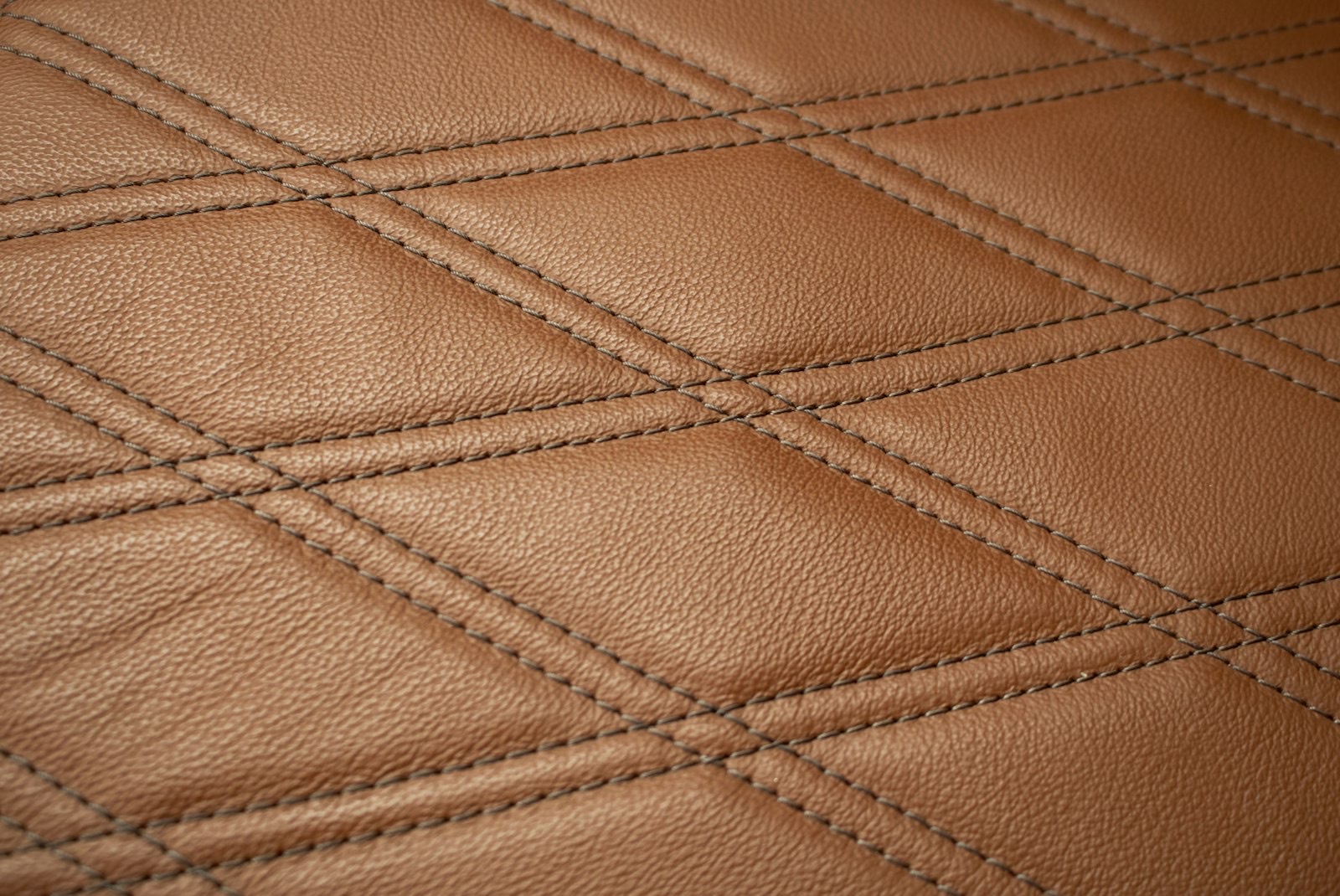
| Top-grain leather | Excellent | Condition once or twice a year | Softens with age; the longest-lasting option |
| Bonded leather | Poor | Low | Surface layer peels after a few years of use |
| Performance fabric | Very good | Wipes clean | Best choice with children or pets |
| Microfibre | Good | Easy | Resists staining; can attract pet hair |
| Chenille | Moderate | Vacuum regularly | Comfortable, but snags on claws |
Avoid bonded leather on a recliner specifically. The constant flexing at the seat and back accelerates the peeling that the material is already prone to.
Frequently Asked Questions
How much space does a recliner need behind it?
Standard models need 12 to 18 inches of clearance from the wall. Wall huggers need only 4 to 6 inches because the seat slides forward as the backrest drops.
What is a wall hugger recliner?
A recliner whose mechanism moves the seat forward rather than tipping the back rearward. It achieves a full recline in a fraction of the space, which makes it the obvious choice for apartments and small living rooms.
Is a power recliner better than a manual one?
It is easier to use and offers infinite positions, but it needs an outlet and has more that can fail. Manual recliners are cheaper and simpler; power is worth it if operating a lever is difficult.
What is the difference between a lift chair and a recliner?
A lift chair tilts the entire seat forward to help the user stand. A recliner only leans back. Every lift chair reclines, but no ordinary recliner lifts.
Can a recliner go against a wall?
Only a wall hugger can sit close to one. A standard recliner placed tight against a wall will either stop part-way through its travel or scuff the paint every time it is used.
Sit in It Before You Buy
Recline depth, seat height and how easily you get back out are impossible to judge from a photograph. Five minutes in the chair tells you everything.
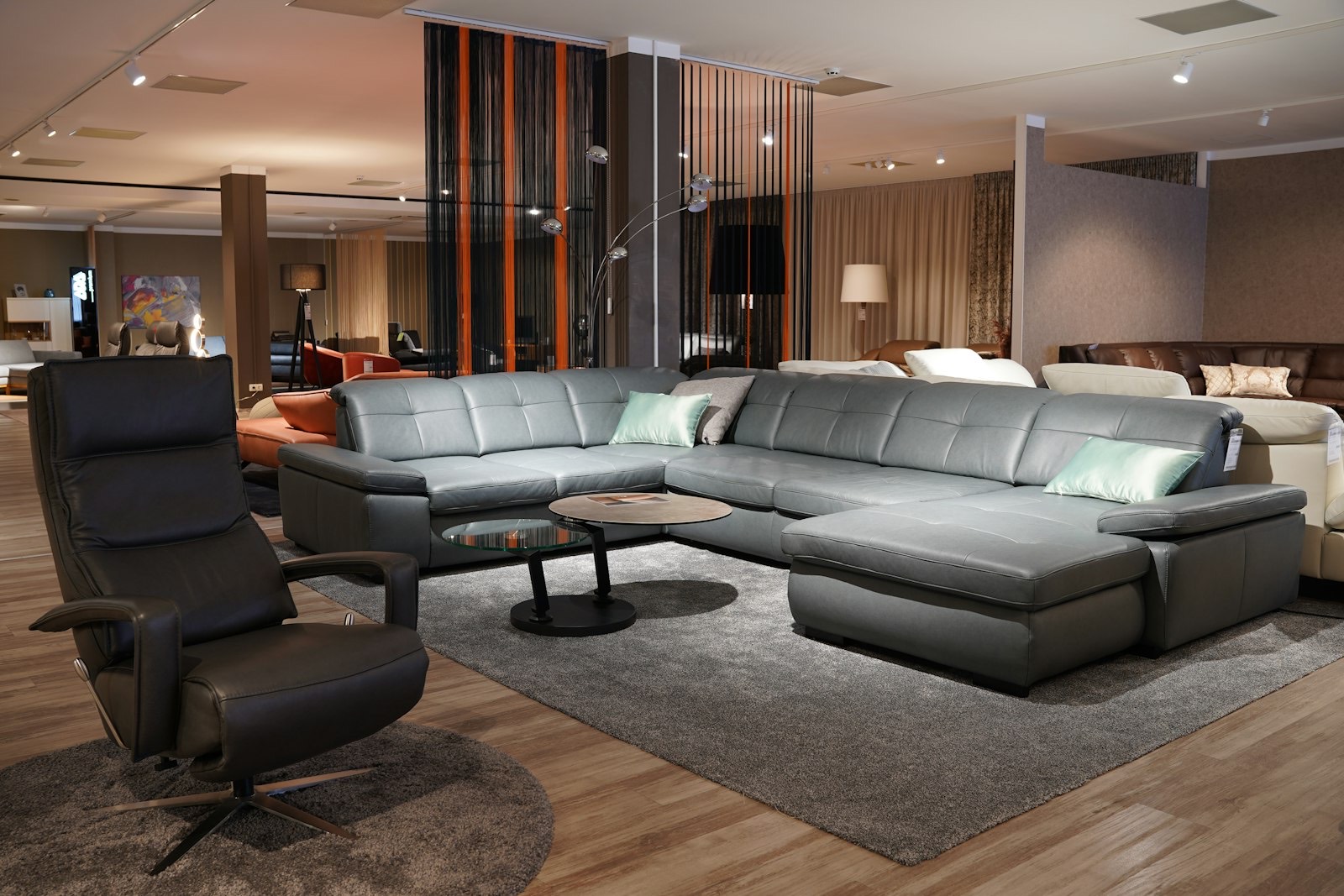
Our living room furniture range in Newport News includes recliners, rockers and reclining sofas, and we can confirm wall clearance figures against your room measurements before anything is ordered.
If the chair is facing a television, our TV stands and entertainment centers should be positioned using the viewing distances in our sofa measuring guide. Setting up a whole room? See furnishing a first apartment on a budget.
Look through clearance and specials for floor-model recliners, spread the cost using no-credit furniture financing options, and take advantage of our free home delivery service — power recliners are heavy and awkward to carry.
Buying for someone with mobility needs? Talk to our Newport News team about seat heights and lift options before choosing.