

The sofa that will not fit through the door is a furniture cliché because it happens constantly. So does its quieter cousin: the sofa that fits perfectly and leaves the room unusable.
Both are prevented by the same twenty minutes of measuring, and by one dimension almost nobody thinks to check.
Here is exactly what to measure, in what order, before you buy.
Standard Sofa Dimensions
Start by knowing the ranges. “Standard” is a shopping range rather than an industry specification, but almost everything falls inside these numbers.
| Type | Width | Depth | Height | Seats |
|---|---|---|---|---|
| Loveseat | 58–72″ | 34–38″ | 32–36″ | 2 |
| Standard sofa | 70–87″ | 32–40″ | 30–36″ | 3 |
| L-shaped sectional | 100–120″ per side | 36–40″ | 32–36″ | 4–6 |
| Large sectional | 94–156″ overall | 36–40″ | 32–36″ | 5–7 |
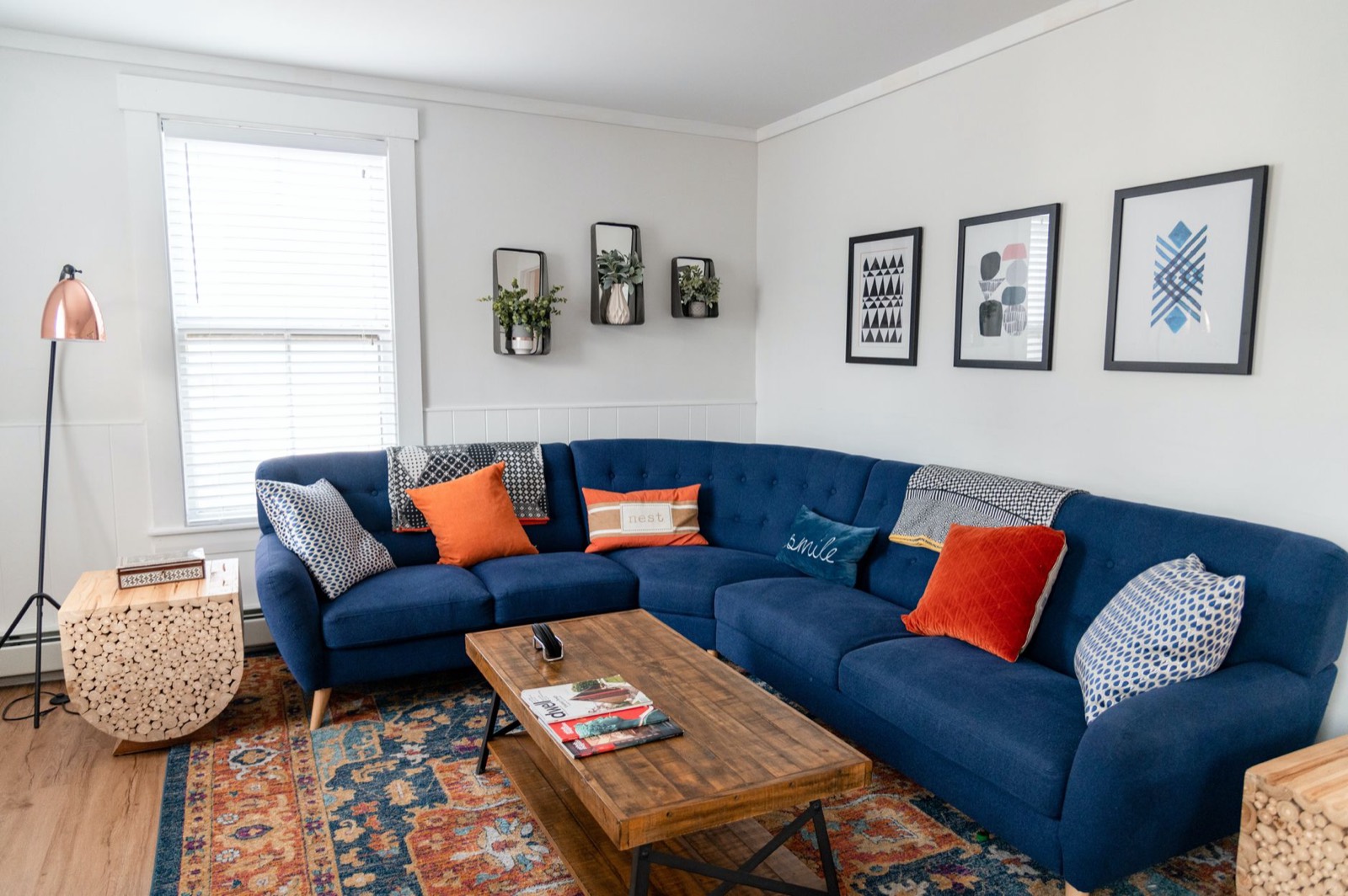
Depth is the figure people underestimate. A 40-inch-deep sofa projects more than three feet into the room — often more than the width difference between two models you are comparing.
Clearances: How Much Space to Leave Around It
| Gap | Minimum | Comfortable | What happens below the minimum |
|---|---|---|---|
| Main walkway past the sofa | 36″ | 36–42″ | People turn sideways to pass |
| Secondary path behind or beside | 24″ | 30″ | Usable, but feels pinched |
| Sofa front to coffee table | 14″ | 16–18″ | Shins hit the table edge |
| Sofa to TV screen | — | 1.5–2.5× screen diagonal | Eye strain and visible pixels |
| Around a recliner (fully back) | 36″ behind | 40″ | The chair simply cannot recline |
The 36-inch walkway figure is not arbitrary. It matches the minimum clear width for an accessible route in the ADA 2010 Standards for Accessible Design, which is a reasonable benchmark for any space a person has to move through regularly.
If a reclining sofa or a recliner is on your list, measure the recline clearance separately. Wall-hugger mechanisms need far less, but standard recliners want roughly three feet behind them.
Sizing the Sofa to the Room
| Room size | Sensible sofa | Avoid |
|---|---|---|
| Under 10 × 10 ft | Loveseat, or an apartment sofa under 72″ | Sectionals of any kind |
| 10 × 12 ft | Standard sofa up to 84″ | Deep 40″ models |
| 12 × 15 ft | Full sofa, or a compact L-shaped sectional | Oversized sectionals over 120″ |
| 15 × 20 ft and up | Large sectional, or sofa plus loveseat | A single small sofa — it will look lost |
A useful rule of thumb: the sofa should occupy roughly two-thirds of the wall it sits against. Much more and the room feels crowded; much less and the arrangement looks unanchored.

The Measurement Everyone Forgets: Diagonal Depth
This is the one that determines whether a sofa gets into your home at all.
Diagonal depth is measured from the top of the back frame down to the bottom front edge, across the diagonal. Delivery crews tilt sofas to get them through doorways, and it is the diagonal — not the height or the depth — that has to clear the opening.
How to measure it
- Run a straight edge from the highest point of the back frame to the lowest point of the front base.
- Measure the shortest distance from that line to the back bottom corner.
- That figure is the diagonal depth — compare it against your narrowest doorway height.
Most reputable retailers list it in the specifications. If it is missing, ask before ordering rather than after.
Measure the Whole Delivery Route
Checking only the front door is the classic error. The sofa has to reach the room, not just enter the building.
- Front door width and height, including any storm door that will not open fully
- Every interior doorway on the route
- Hallway width — and narrowest point of any turn
- Stairwell width, ceiling height above the stairs, and landing turns
- Elevator interior depth and door width for apartments
- Low-hanging fixtures, radiators, and handrails that reduce usable width
Landing turns defeat more deliveries than doorways do. A hallway can be wide enough while the ninety-degree turn at the top of the stairs is not.
The Tape Trick
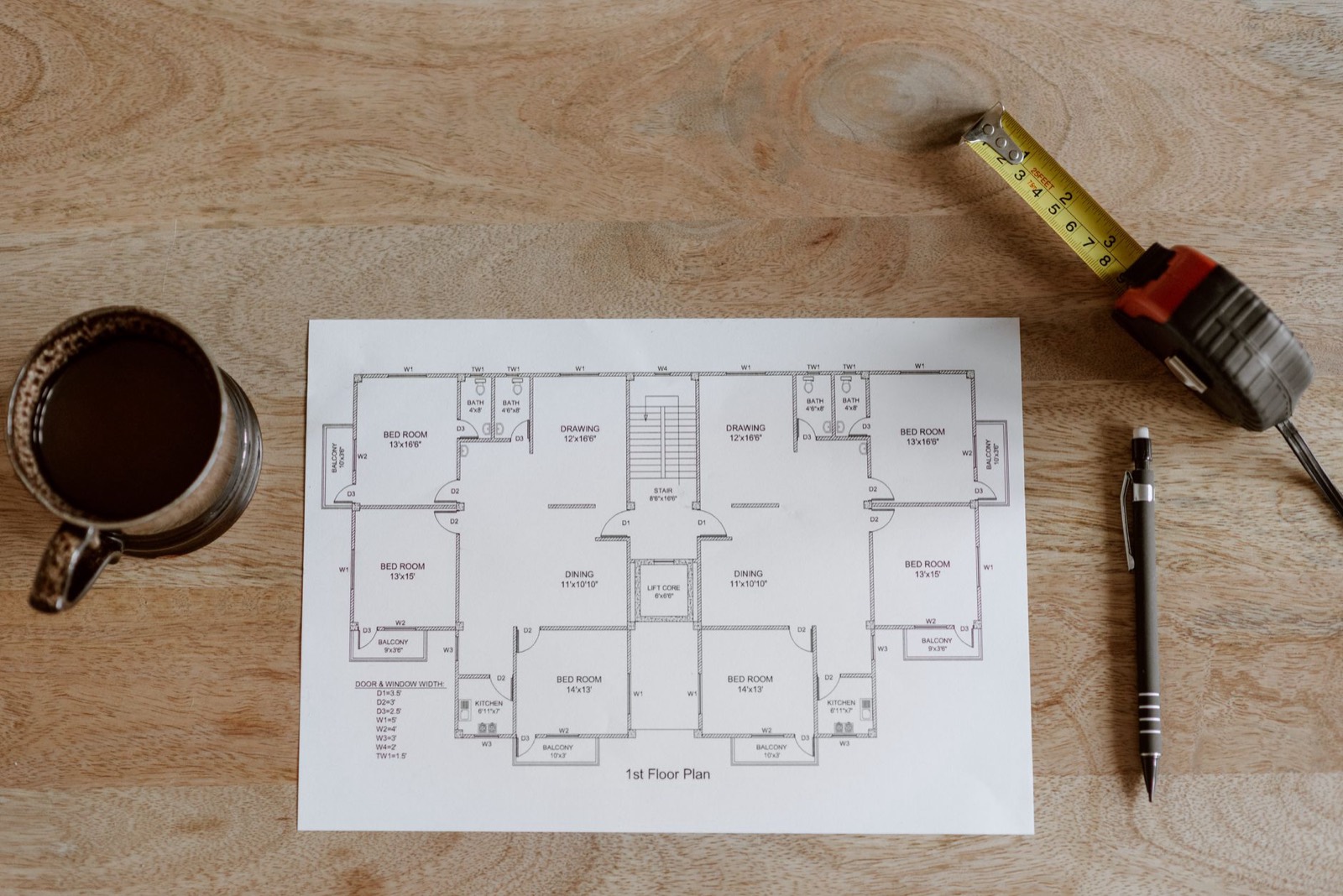
Numbers on paper are abstract. Mark the footprint out on the floor and the decision usually makes itself.
- Mark the sofa’s width and depth on the floor with painter’s tape.
- Mark the back height on the wall with a strip of tape — this shows whether it will block a window sill or radiator.
- Add tape for the coffee table and its 16-inch gap.
- Live with it for a day. Walk the routes you normally walk.
- Note anywhere you have to step around the tape — that is the layout failing, not you.
Twenty minutes of tape has saved more furniture returns than any other single habit.
Three Details That Change the Answer
Arm style eats width
Two sofas listed at the same overall width can differ by a foot of actual seating. Rolled and pillow arms can consume eight inches each side; track or slim arms take two or three.
If seating capacity matters more than looks, compare inside-arm width rather than overall width.
Leg height changes how heavy it looks
A sofa on exposed legs lets you see floor underneath it, which makes a small room read as larger. A skirted or platform base of identical dimensions looks noticeably bulkier.
Seat depth versus overall depth
Overall depth includes the back cushions. Seat depth — usually 21 to 24 inches — is what you actually sit on.
Anything beyond about 24 inches suits lounging and taller people, but shorter sitters end up perched forward with no back support.
Frequently Asked Questions
What is diagonal depth on a sofa?
It is the measurement from the top of the back frame to the bottom front edge, taken diagonally. Because delivery crews tilt sofas through doorways, this figure — not the height — determines whether it will fit.
How much space should I leave in front of a sofa?
Between 14 and 18 inches to a coffee table, and at least 36 inches for any main walkway. Below 14 inches you catch your shins every time you stand up.
What size sofa fits a small living room?
In a room under 10 by 10 feet, a loveseat at 58 to 72 inches wide, or an apartment-scale sofa under 72 inches. Watch the depth as closely as the width — a shallower 32-inch model transforms how a small room reads.
Can a sofa be taken apart to fit through a door?
Many sectionals separate into sections, and some sofas have removable legs or backs. Ask before ordering — it is often the difference between a delivery that works and one that turns around.
How far should a sofa be from the TV?
Roughly one and a half to two and a half times the screen’s diagonal measurement. For a 65-inch television that is about eight to thirteen feet.

Bring Your Measurements In
Arrive with your room dimensions, your narrowest doorway and a photo of the space, and choosing becomes straightforward rather than speculative.
Our living room furniture range in Newport News covers loveseats, sofas and sectionals across the full span of sizes above, and we can check diagonal depth against your doorway before anything is ordered.
If a television is the focal point, our TV stands and entertainment centers pair with the viewing distances above, and coffee tables, rugs and accent pieces complete the arrangement at the right clearances.
Look through clearance and specials for marked-down floor models, spread the cost using our no-credit furniture financing options in Virginia, and let our free home delivery service handle the stairwell turn.
Worried about a tight hallway? Send our Newport News team your measurements and we will tell you honestly which models will make it in.